Introduction
Automation is rapidly transforming the IT industry, making systems smarter, faster, and more efficient. From software development to cloud infrastructure, automation plays a critical role in improving productivity and reducing human error. This article explores automation in IT from all perspectives, including tools, technologies, benefits, challenges, and future trends.
What is IT Automation?
IT automation refers to the use of software and technologies to perform tasks with minimal human intervention. These tasks can include system monitoring, deployment, testing, data processing, and more.
Automation helps organizations streamline operations, reduce costs, and increase reliability.
Key Areas Where Automation is Used in IT
1. Software Development (DevOps)
Automation is widely used in DevOps practices such as:
- Continuous Integration (CI)
- Continuous Deployment (CD)
- Automated testing
Tools: Jenkins, GitHub Actions, GitLab CI/CD
2. Cloud Computing
Cloud platforms rely heavily on automation for:
- Resource provisioning
- Scaling infrastructure
- Backup and recovery
Tools: AWS, Google Cloud, Microsoft Azure, Terraform
3. IT Infrastructure Management
Automation helps manage servers, networks, and systems efficiently.
Tools: Ansible, Puppet, Chef
4. Cybersecurity
Automation improves security by:
- Detecting threats in real-time
- Automating responses
- Managing vulnerabilities
Tools: SIEM systems, automated firewalls
5. Data Management and AI
Automation is used for:
- Data analysis
- Machine learning workflows
- Predictive analytics
Tools: Python, TensorFlow, Apache Spark
Benefits of Automation in IT
- Increased efficiency and speed
- Reduced human errors
- Cost savings
- Better scalability
- Improved system reliability
Challenges of IT Automation
- Initial setup cost
- Skill requirements
- Security risks if misconfigured
- Resistance to change in organizations
Automation Tools and Technologies
Some of the most popular tools include:
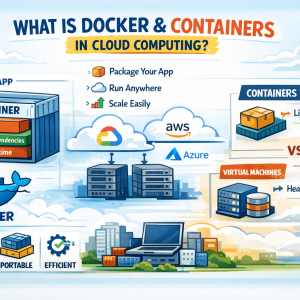
- Docker (containerization)
- Kubernetes (container orchestration)
- Selenium (test automation)
- UiPath (RPA)
- Bash/Python scripting
Role of AI in Automation
Artificial Intelligence is enhancing automation by enabling systems to learn and adapt. AI-powered automation includes:
- Chatbots
- Smart assistants
- Predictive maintenance
- Intelligent data processing
Future Trends in IT Automation
- Hyperautomation (combining AI, RPA, and ML)
- Serverless computing
- Edge computing automation
- Autonomous IT operations (AIOps)
Career Opportunities in IT Automation
Automation is creating new job roles such as:
- DevOps Engineer
- Cloud Engineer
- Automation Tester
- AI Engineer
- Site Reliability Engineer (SRE)
Conclusion
Automation is no longer optional in the IT industry—it is essential. Organizations that adopt automation gain a competitive advantage by improving efficiency, reducing costs, and delivering better services. As technology continues to evolve, automation will become even more powerful and widespread.